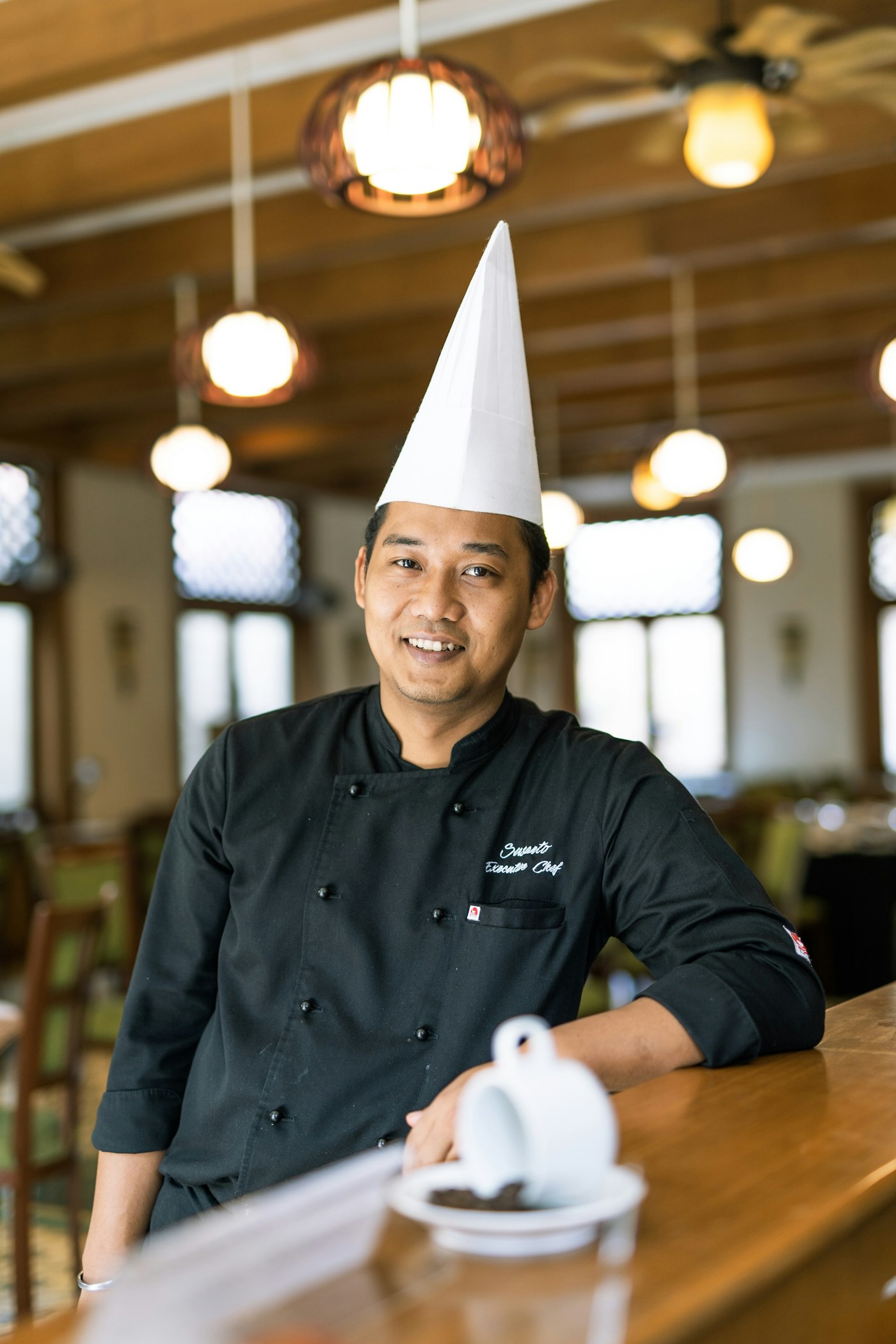
It started with a single bowl. In 2017, in a back-alley laneway in Busan, Chef Jae-won Park rented a two-seat noodle counter and began stirring broths before sunrise — testing pork, chicken, anchovy, and gochujang against one another for nearly a year before he found a combination that felt, in his words, "like coming home in winter."
That bowl — a tonkotsu base layered with house-fermented gochujang and a whisper of smoked anchovy — became the seed of what we now call the Gochu-Fire. It also became a quiet meeting place for taxi drivers, late-shift nurses, and the occasional food writer who'd heard a rumour about a man who refused to start service until his stock had simmered for a full eighteen hours.
A slow kitchen.
StackRamen is, by design, a slow kitchen. Broths are started the night before. Kimchi is packed weekly and dated by hand. Noodles are pulled fresh each morning. We don't open until everything is ready — which sometimes means we open a little late, and we've learned to ask our guests' patience for the things we cannot rush.
"The broth isn't finished when I decide it's finished. It's finished when my grandmother would have nodded."
Koreatown, today.
In 2022, we crossed an ocean. The original Busan counter is still there — run now by Jae-won's younger brother — but the recipes, the stove discipline, and the same red-pepper grinder travelled with us to a quieter corner of Koreatown.
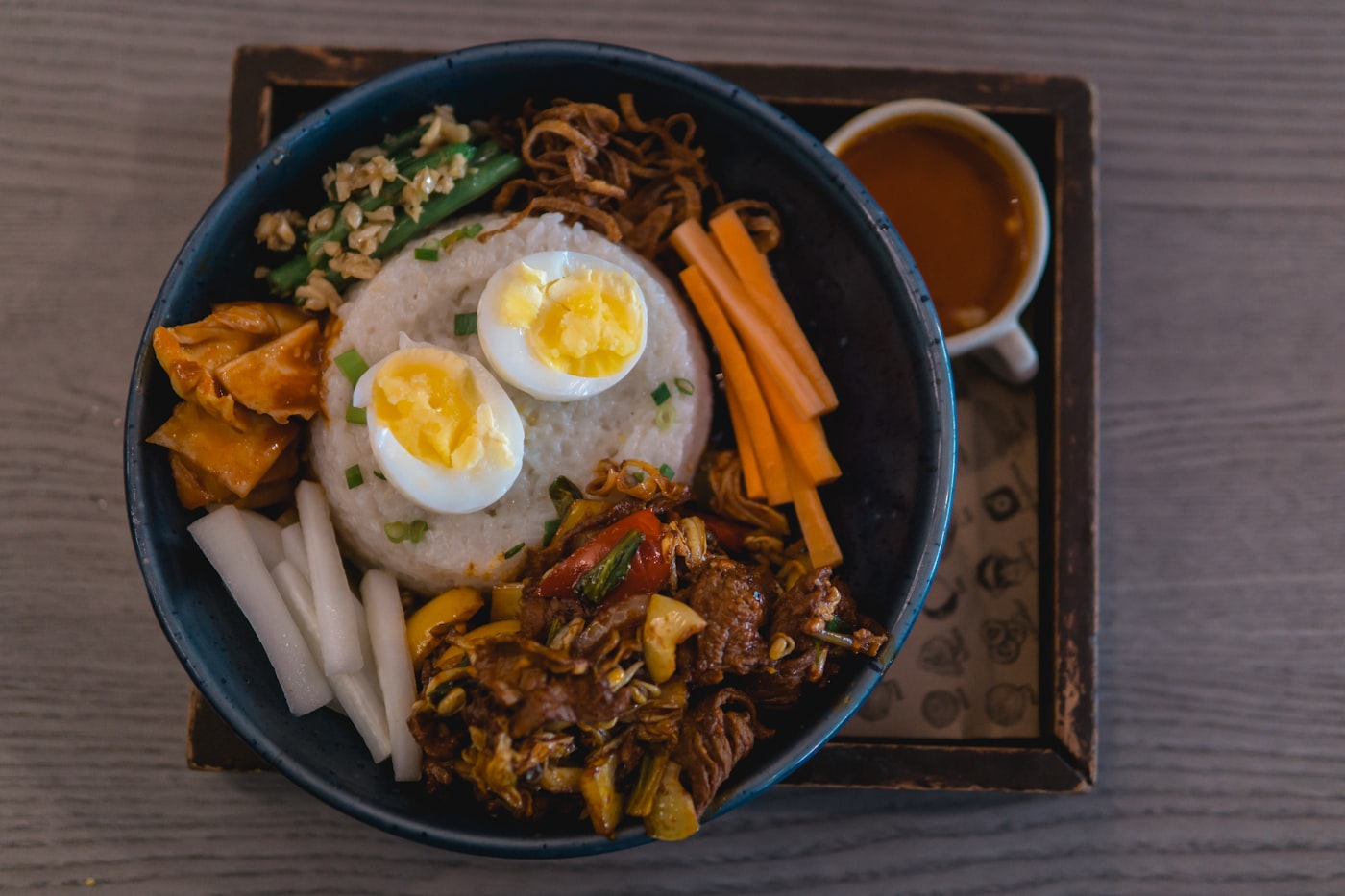
We kept the menu small on purpose. A few signature bowls. A handful of small plates. Drinks chosen because they pair well with the food, not because they sell. We change things only when the season asks us to.
A warm welcome.
You'll be greeted, often, by Jae-won himself. Take your time. Order what looks honest. Linger over the broth. We built the room small for a reason — to give every table the kind of attention you'd hope for at a friend's house.
Come hungry. Leave warm.